Why You Should Buy Honey Oil Online: A Practical Guide for Enthusiasts
Honey Oil Concentrates: What Sets Them Apart
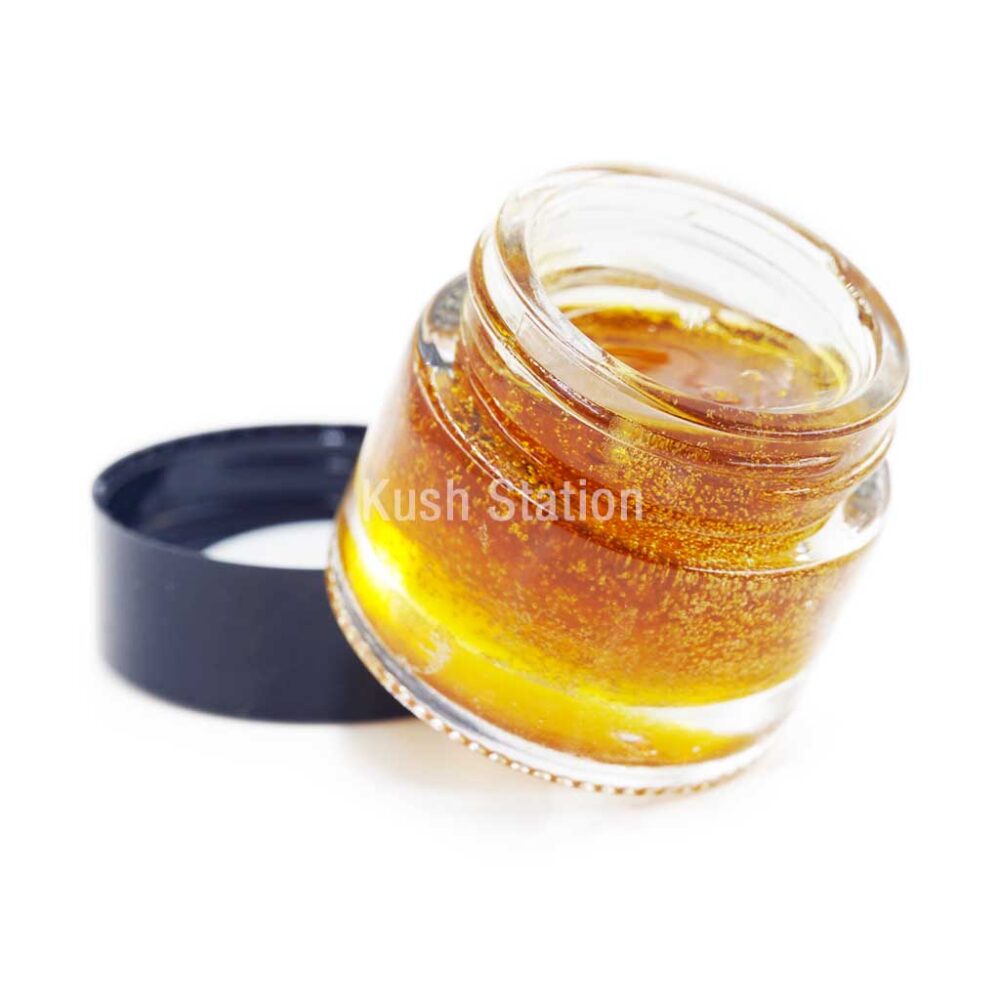
Walking into a dispensary a few years ago, I was overwhelmed by the sheer variety of cannabis concentrates. Resins, waxes, oils, each promised a different experience. One product that caught my attention early on was honey oil. Unlike the dark, sticky hash oils I had tried in college, honey oil had a golden, translucent look and a cleaner taste. It reminded me of the first time I tasted a properly extracted essential oil, but with the unmistakable profile of cannabis. Over time, I learned that honey oil is a type of butane hash oil, produced using a hydrocarbon solvent that strips the trichomes without pulling in too much plant matter. That process gives it a consistency somewhere between a thick syrup and a runny concentrate, which makes it ideal for dabbing or filling vape cartridges.
Today, the legal cannabis market has matured enough that you can confidently buy honey oil online and have it delivered to your door. But not all honey oil is created equal. The difference between a product that delivers a smooth, flavorful hit and one that leaves a harsh aftertaste often comes down to how it was made and whether it was lab-tested. That is why I always look for sellers who provide batch analysis and a full cannabinoid profile before I place an order.
The Importance of Lab-Tested Concentrates
When I first started buying concentrates online, I made the mistake of assuming that anything labeled "honey oil" was safe and consistent. A friend of mine once bought a jar from an unverified source and ended up with a batch that had a strong solvent aftertaste. It was not just unpleasant; it was a sign that the extraction had not been purged properly. That experience taught me to prioritize transparency. Reputable vendors like KushStation now offer lab-tested honey oil, which means each batch has been screened for residual solvents, heavy metals, and microbial contaminants. They also list the THC and CBD percentages, as well as the dominant terpenes, so you know exactly what you are getting.
For anyone new to cannabis concentrates, understanding the lab results can feel like reading a foreign language. But the key numbers to focus on are the total THC content and the presence of any unwanted compounds. A good honey oil will have a THC percentage in the 60-80% range, depending on the starting material and extraction method. The CBD content is usually lower, often under 5%, but some strains bred for higher CBD can shift that balance. The terpene profile matters too. For example, myrcene and limonene are common in Sativa-dominant extracts and contribute to an uplifting effect, while linalool and caryophyllene are more typical in Indica strains and promote relaxation.
Choosing the Right Honey Oil Strain
One of the best things about the modern cannabis industry is the variety of honey oil strains available. You are no longer limited to a generic oil; you can pick a specific cultivar that matches your mood or need. If you suffer from anxiety or have trouble sleeping, an Indica honey oil like a Hindu Kush or Bubba Kush extract can be a good choice. These tend to have a higher ratio of sedating terpenes and a heavier body effect. On the other hand, if you need focus and energy during the day, a Sativa honey oil such as a Super Lemon Haze or Green Crack extract will give you a clear-headed buzz that is great for creative work.
Hybrid strains offer a middle ground. I have personally found that a 60/40 Sativa-dominant hybrid works well for social situations, it keeps me alert but not jittery, and the body relaxation is mild enough that I do not feel sluggish. The key is to read the product descriptions and the batch analysis that comes with each listing. Many online stores, including KushStation, list the expected effects alongside the cannabinoid profile, which takes some of the guesswork out of the purchase.
How to Use Honey Oil: Dabbing, Vaping, and Beyond
Honey oil is versatile, but how you use it affects both the experience and the efficiency. My preferred method is dabbing. A small dab on a heated nail or banger vaporizes the oil instantly, giving you a full-flavor hit that preserves the terpenes. For people who want a more discreet option, vape cartridges filled with honey oil are a solid alternative. They are portable, easy to use, and produce less odor than a dab rig. Some users also fill syringes with honey oil to refill their own cartridges, which can save money over buying pre-filled ones.
When buying honey oil for dabbing, look for a product that is fluid enough to drop onto the nail without needing to be heated first. Thicker oils can be harder to handle. If you plan to use vape cartridges, check the viscosity. Oils that are too thick might not wick properly, while those that are too thin can leak. Many vendors now provide a viscosity note in the product details, which is a helpful guide.
Why Buy Honey Oil Online?
You might wonder whether buying from a physical dispensary is simpler. Sometimes it is, especially if you want to inspect the product in person. But the range of options at a single store is often limited to whatever the local distributor carries. When you buy honey oil online, you can compare strains from different growers, read batch-specific lab reports, and often find better pricing because online stores have lower overhead. The convenience factor cannot be overstated either. For someone like me, who lives in a state with legal cannabis but few dispensaries within a reasonable drive, having honey oil delivered to my door is a game-changer.
That said, the online market also has its pitfalls. Not every seller is honest about their extraction methods or the purity of their product. Some still use outdated methods that leave behind residual hydrocarbon solvents, which can be harsh on the lungs. That is why I always stick with vendors that provide a certificate of analysis from a third-party lab. KushStation, for example, posts batch analysis for every honey oil strain they sell, so you can see the exact THC, CBD, and terpene percentages before you commit.
Understanding Extraction Methods
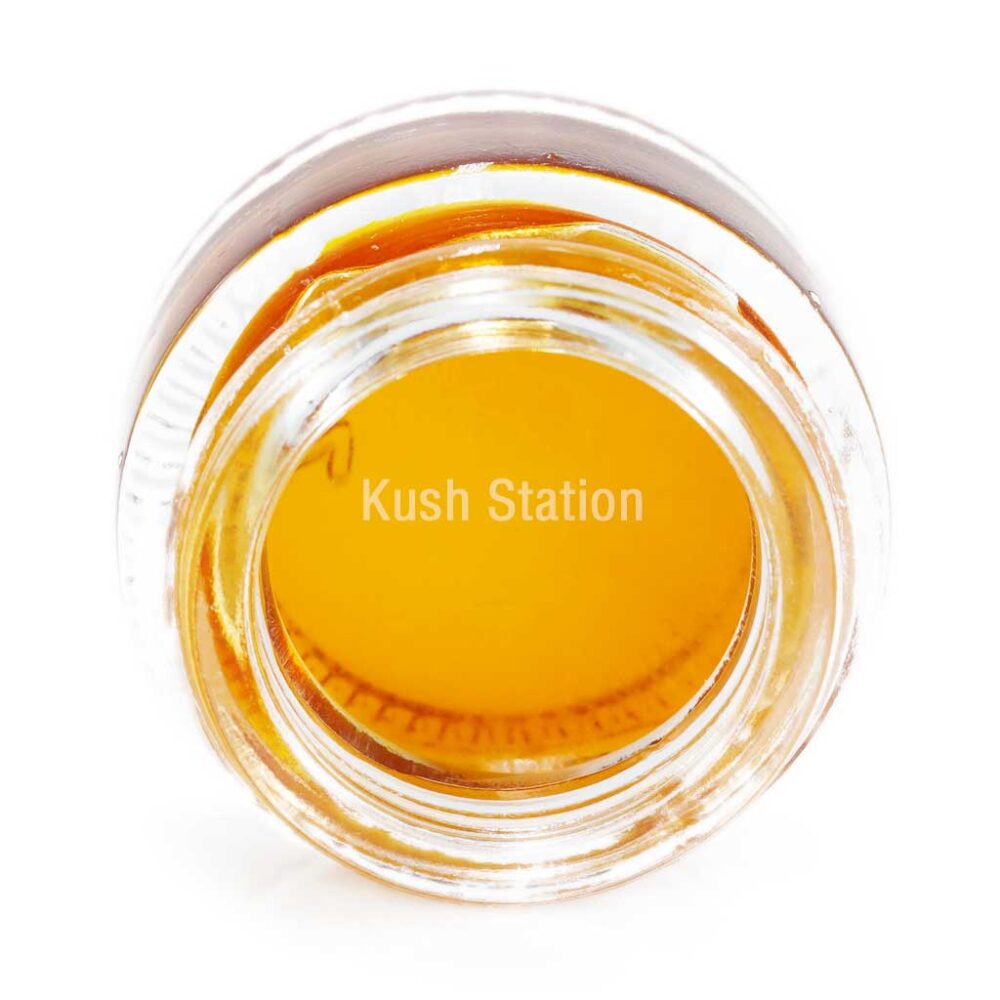
Honey oil is typically made using a hydrocarbon solvent like butane or propane. The solvent strips the trichomes from the plant material, and then the solvent is purged under vacuum or heat to leave behind the oil. When done correctly, this method yields a clean, potent concentrate. However, if the purge is incomplete, the final product can contain trace solvents that affect both flavor and safety. That is why lab testing is so important, it catches residual solvent levels that would otherwise go unnoticed.
Other extraction methods exist, such as CO2 extraction or rosin pressing, but they produce different types of concentrates. Honey oil made with hydrocarbon solvents tends to have a more fluid consistency than rosin, which is usually thicker and more waxy. For people who prefer a runny oil that is easy to load into a syringe or a vape cartridge, honey oil is the better choice. It also tends to preserve more of the volatile terpenes, which contribute to the aroma and flavor.
Practical Tips for First-Time Buyers
If you are considering your first online purchase of honey oil, here are a few things to keep in mind based on my own experiences and mistakes:
- Check the lab report. Look for a batch analysis that lists THC, CBD, and any residual solvents. If the vendor does not provide one, move on.
- Read the product description for strain origin. Indica, Sativa, and hybrid descriptions are usually accurate, but the cannabinoid profile tells the real story.
- Compare prices per gram, but do not sacrifice quality for a few dollars. A cheap oil might be poorly purged or made from low-grade material.
- Start with a small order to test the product. Even the best vendor can have an off batch, and you want to know what you are getting before buying in bulk.
- Store honey oil in a cool, dark place. Heat and light can degrade the cannabinoids and terpenes over time.
Legal Considerations and Industry Standards
The legal cannabis landscape varies wildly by region. In places where recreational cannabis is legal, buying honey oil online is straightforward as long as the seller is licensed and ships within legal boundaries. But even in regulated markets, the quality can vary enormously. The cannabis industry has been pushing for standardized testing and labeling, and many reputable sellers now comply voluntarily. That is a good sign for consumers. When I see a product that includes a QR code linking to the batch analysis, I feel more confident about the purchase.
It is also worth noting that honey oil is classified as a cannabis concentrate in most legal frameworks. That means the same age restrictions and purchase limits that apply to flower also apply to honey oil. Always verify the laws in your jurisdiction before placing an order. And if you are in a medical-only state, you may need a valid prescription or recommendation to buy.

Final Thoughts on Buying Honey Oil Online
After years of trying different concentrates and navigating the online market, I have settled on a few go-to sources. KushStation is one of them, mainly because they consistently offer lab-tested honey oil strains and provide clear batch analysis. But regardless of where you choose to buy honey oil online, the principles remain the same: look for transparency, prioritize purity, and understand the strain characteristics that match your needs. The convenience of home delivery is great, but it should never come at the cost of safety or quality.
So the next time you buy honey oil online, take a few extra minutes to read the lab reports and compare the cannabinoid profiles. Your lungs and your experience will thank you. And if you are new to concentrates, start slow. A single dab of a high-THC honey oil can be much more intense than smoking flower, so treat it with the respect it deserves.